The Future of Healthcare is Predictive
Bio/ healthtech is notoriously a volatile and uncertain industry.
There’s been even more uncertainty recently with all of the changes at HHS/FDA. One thing is certain: with all the cuts in personnel, biopharma and biotech will likely more even slowly than they have historically, which is to say glacially.
These are crisis-inducing changes, but also a massive opportunity.
US healthcare is broken and it may be that with a slowdown in therapeutic development, there’s a greater imperative and opportunity for digital health solutions to help fix our system. To reinvent how disease is identified and managed, and how care is produced and delivered.
These are 3 trends in digital health that have been emerging in recent years, and are likely to accelerate in the new regulatory environment.
The future of healthcare is remote/ decentralized
Healthcare is moving from hospitals to homes.
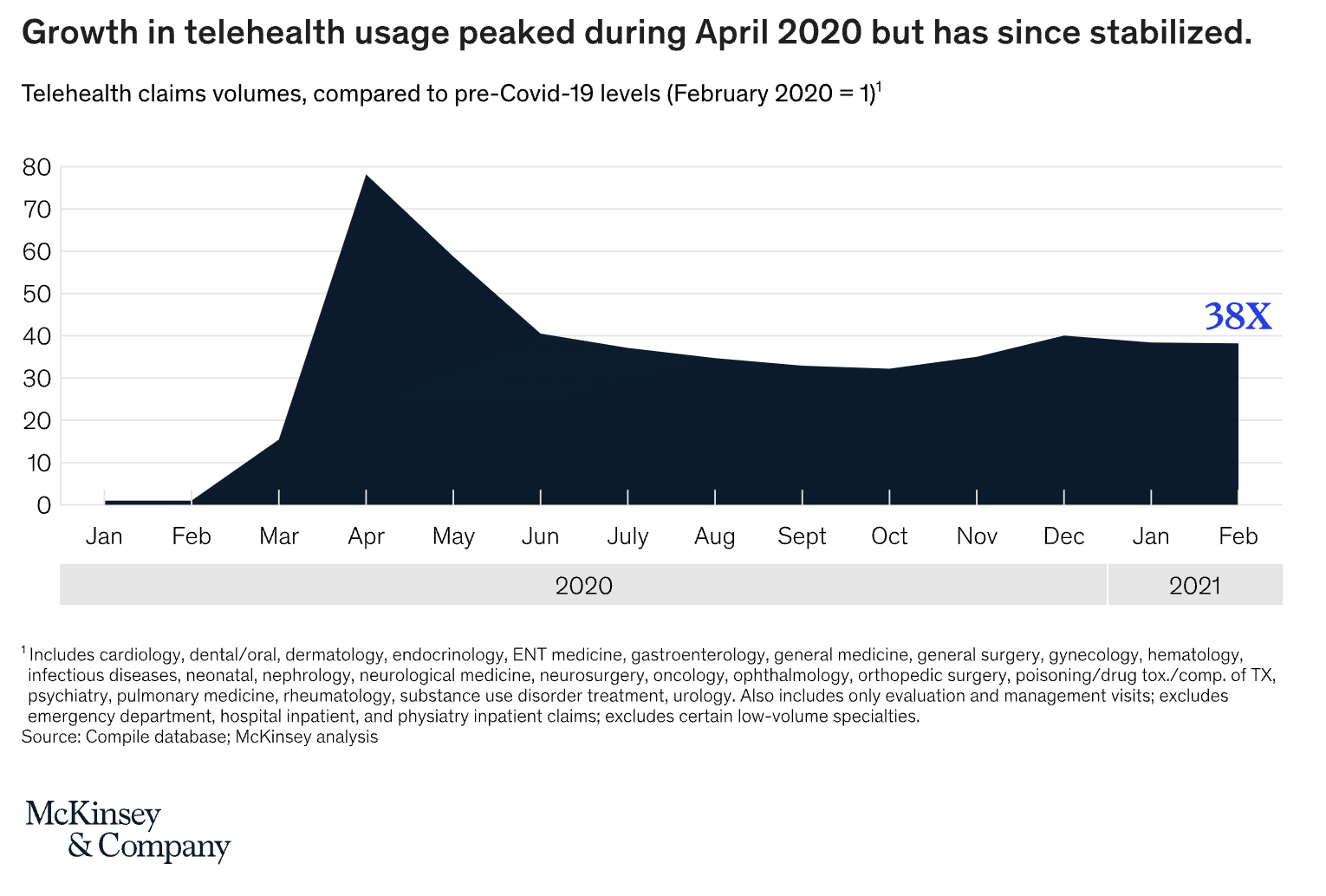
Telemedicine exploded due to COVID and usage has stayed high since. McKinsey estimated telehealth utilization is at least 30X higher than pre-pandemic levels.
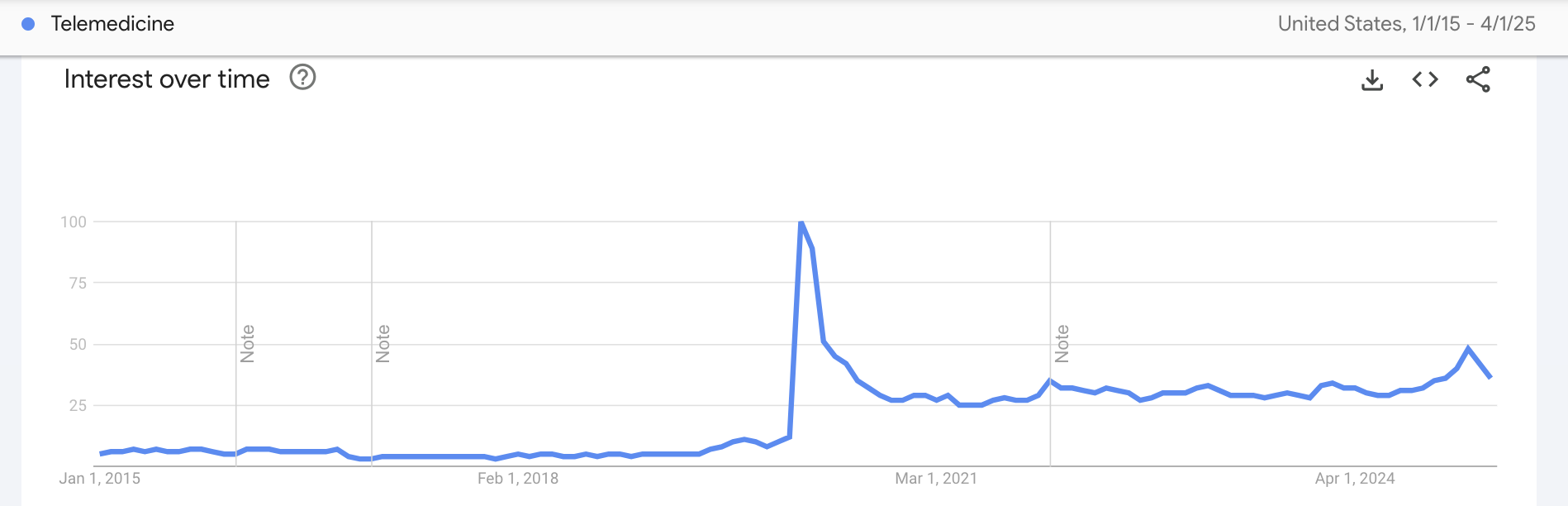
Google Trends shows this trend has probably continued now 5+ years later.
The future of healthcare is high frequency
Remote patient monitoring is gaining traction.
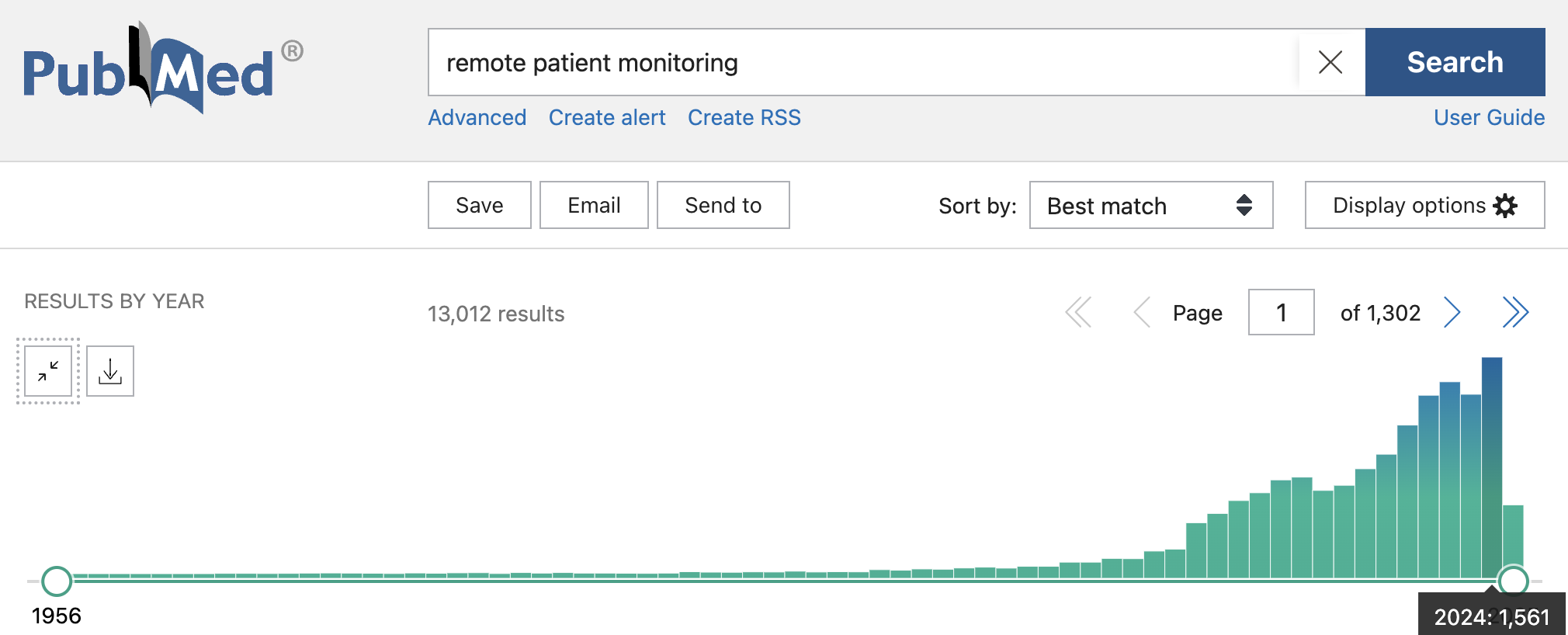
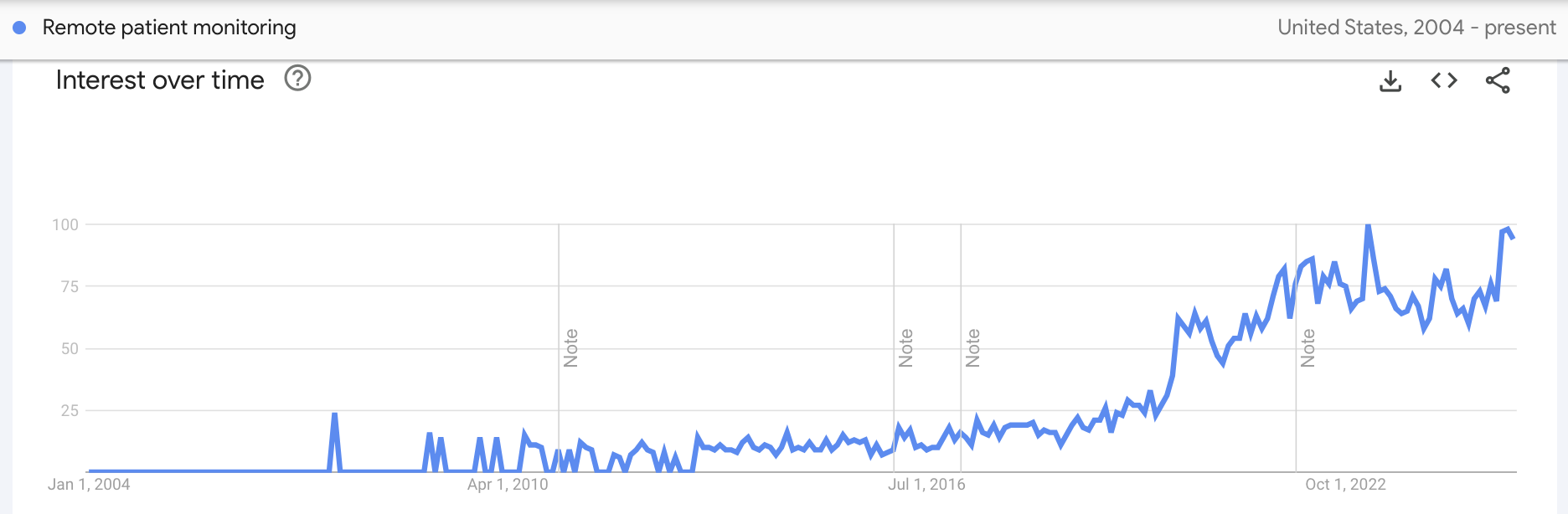
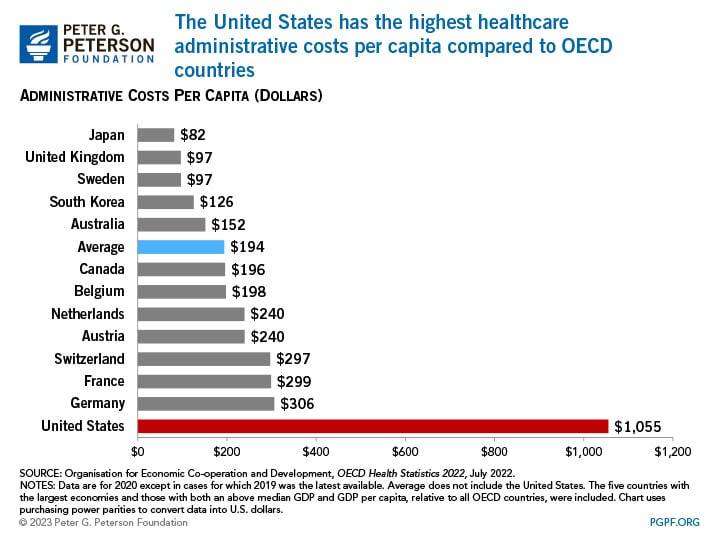
Why? It’s way cheaper. It costs way less to collect basic health/ bio metrics remotely, rather than requiring patients to visit a physical site.
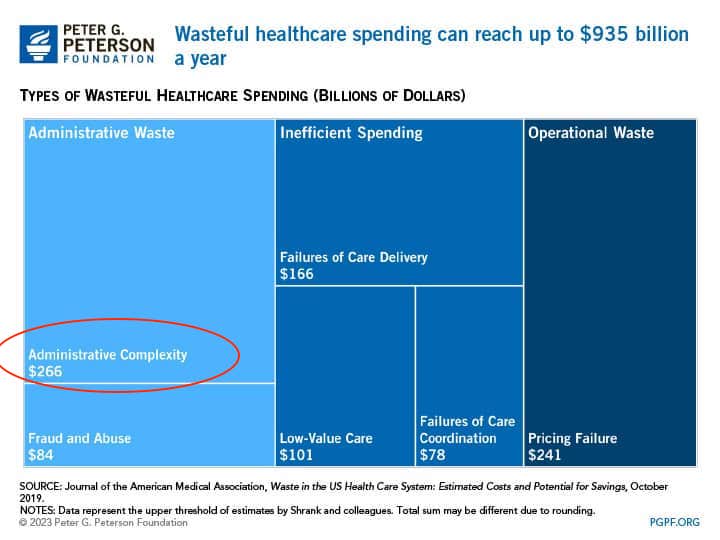
Physical healthcare sites–and the administrative bloat that comes with them–have been the biggest cost driver for US healthcare in recent years.
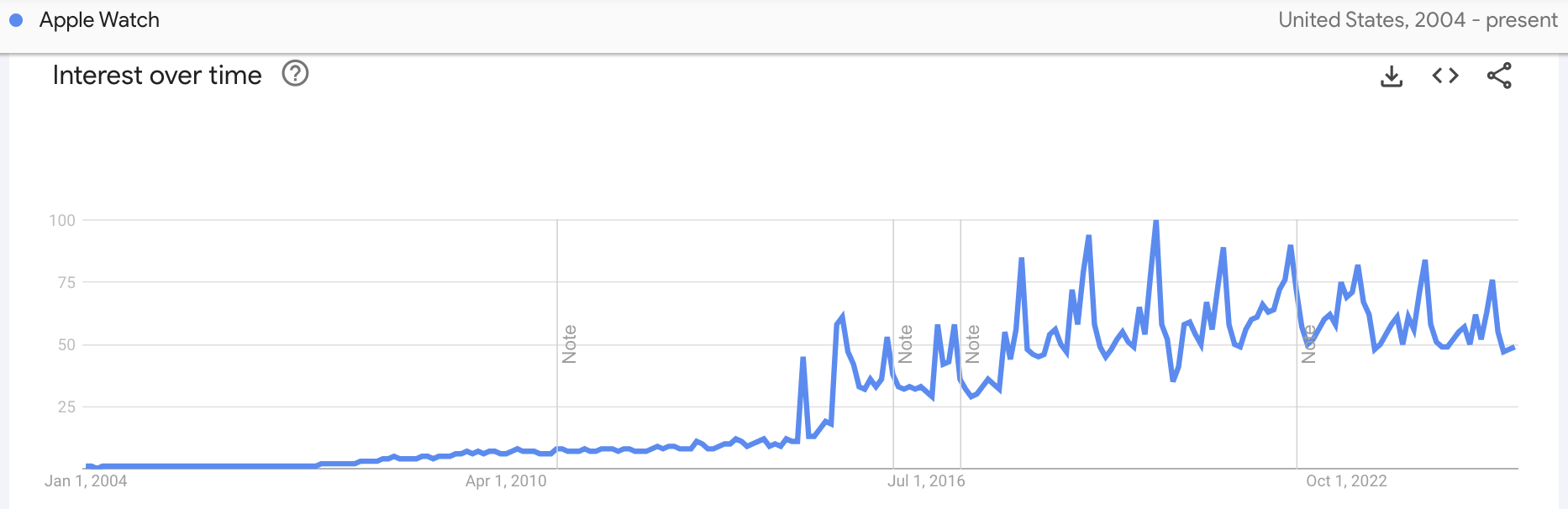
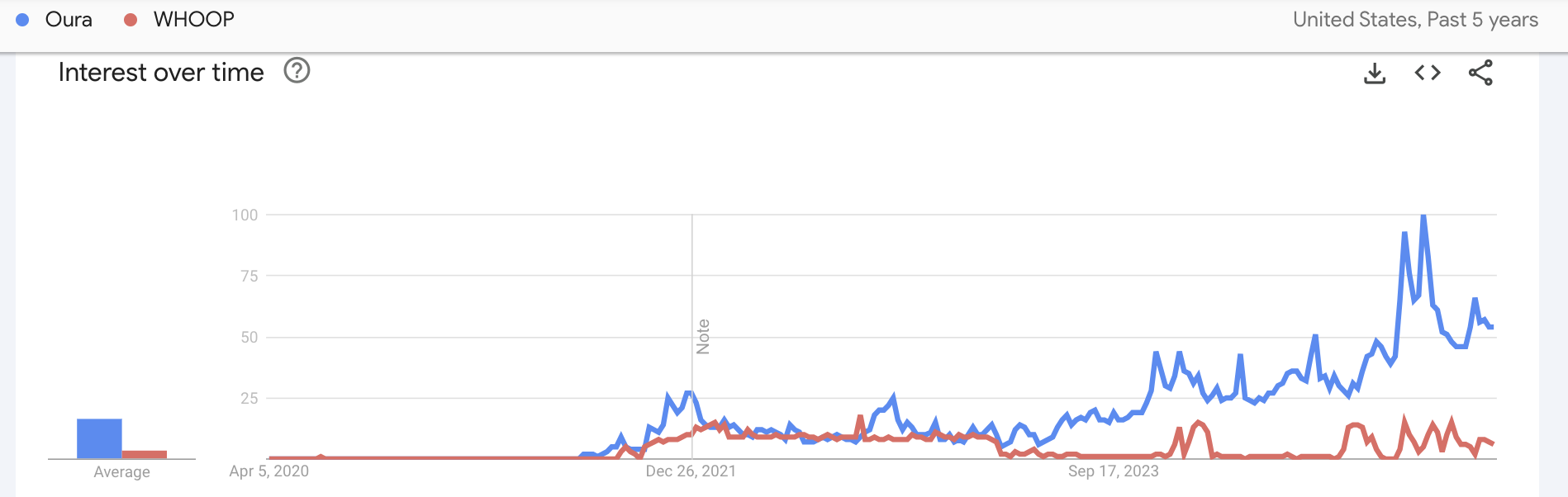
Continuous health monitoring using wearables like Apple Watch, Oura Ring and Whoop are also accelerating this trend.
Consumers are measuring their health in ways that were impossible 5-10 years ago. (The consumerization of healthcare is a related trend I’ll leave for another post.)
Inevitably, these devices will get more “clinical” by allowing medical professionals to harness their data and help monitor their patients more continuously.
The future of healthcare is predictive
Cheaper, more ubiquitous remote monitoring means more frequent measurements and more data. Ultimately, those with the data will want to operationalize and productize that data in the form of analytics and AI (i.e. the data => analytics => AI value chain).
You can already see this happening in the consumer wearable market with their sleep and recovery scores. Inevitably, they will want to implement predictive features that make reccomendations and are more forward looking.
On the clinical side, the literature on AI in medicine is also steadily growing.
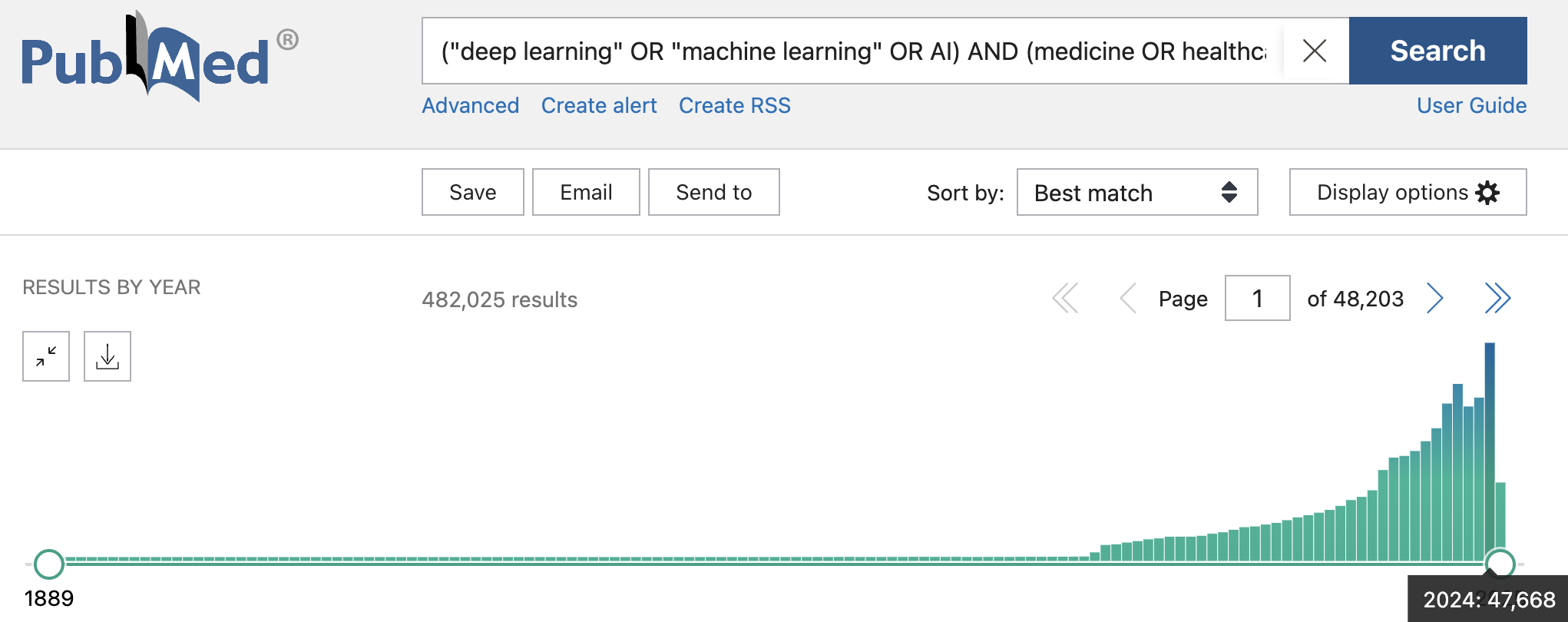
And these aren’t just research papers. Last year, Eric Topol reviewed and highlighted the many ways data and AI are already starting to transform healthcare (see “Medical Forecasting”).
One of the highlights:
A recent study using machine learning was able to predict Alzheimer’s disease up to 7 years before diagnosis by integrating electronic health record data for cholesterol, blood pressure, vitamin D, and sex-specific features.
Incredible. Imagine the amount of prevention that can happen with 7-year lead time knowing you’re high risk for a disease.
The future is here, it’s just not even distributed.
And no doubt the future of healthcare will be predictive.